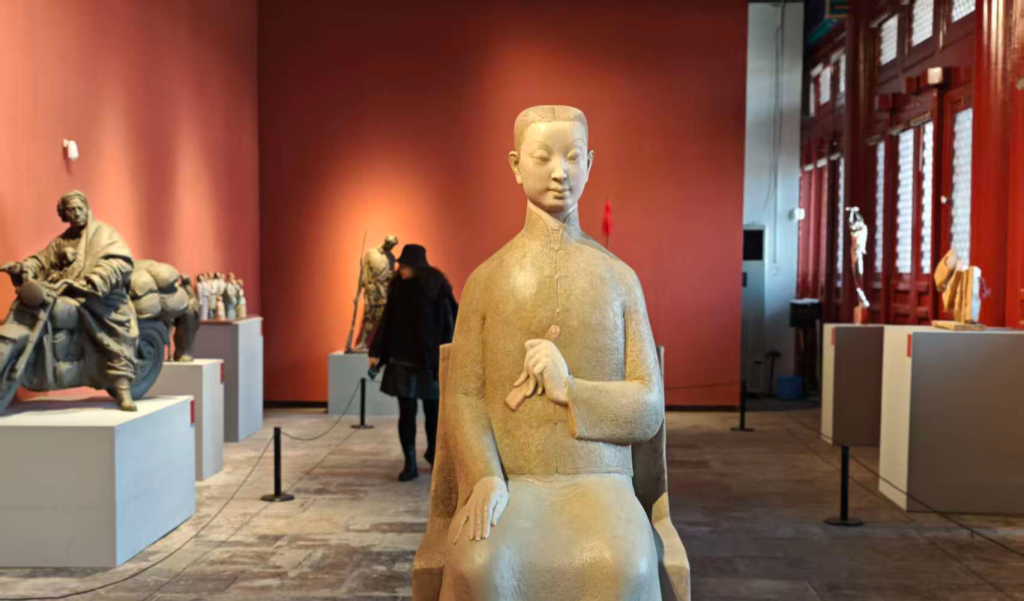
What is the creative landscape of contemporary young sculptors? The Paper learned from the "Soul Casting and Innovation - 2025 Invitational Exhibition of Young Sculptors" held recently at the Taimiao Art Museum in Beijing that, against the backdrop of globalization and the digital age, many young sculptors' works are not only explorations of their personal artistic language but also reflections of the spirit of the times. In their creations of various themes, their works all exhibit a unique appearance full of tension and contradiction.
A major highlight of the exhibition is that it is being held at the Imperial Ancestral Temple in Beijing, a royal building with a history of 600 years, allowing visitors to experience a profound dialogue between contemporary young sculptors and the rich historical site.
The exhibition features over 80 works (sets), centered around three dimensions: "Red Culture," "Traditional Culture," and "Technological Art." Through sculpture, installation, and video art forms, it showcases young sculptors' interpretations of Red Culture, their pursuit of traditional civilization, and their practical explorations of the integration of technology and art. By juxtaposing and contrasting diverse themes, the exhibition guides viewers to focus on the cultural explorations and artistic practices of these young creators.
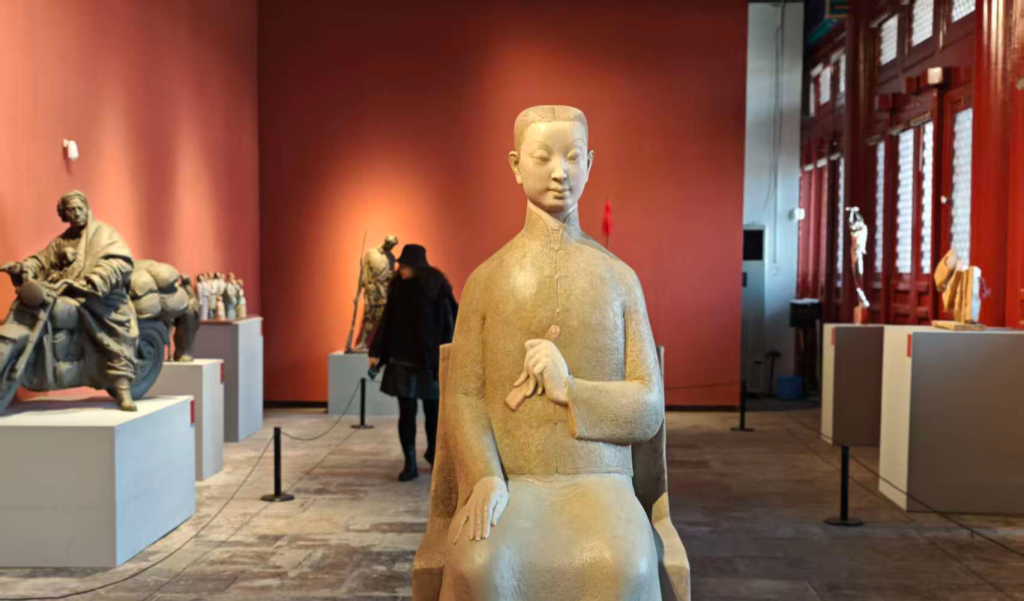
on site
The exhibited works reveal that, regarding traditional themes, young sculptors are no longer content with simple replication, but rather reconstructing them from a contemporary perspective. They extract cultural genes from traditional myths, historical anecdotes, and folk symbols, interpreting them with new visual languages. In their creations of historical figures, they transcend the framework of "heroic narratives," focusing instead on the individual emotions and spiritual dilemmas of these individuals. For instance, in their portrayals of historical figures and cultural celebrities, they no longer emphasize grand, tragic narratives, but rather express their inner loneliness and perseverance through delicate physical language.
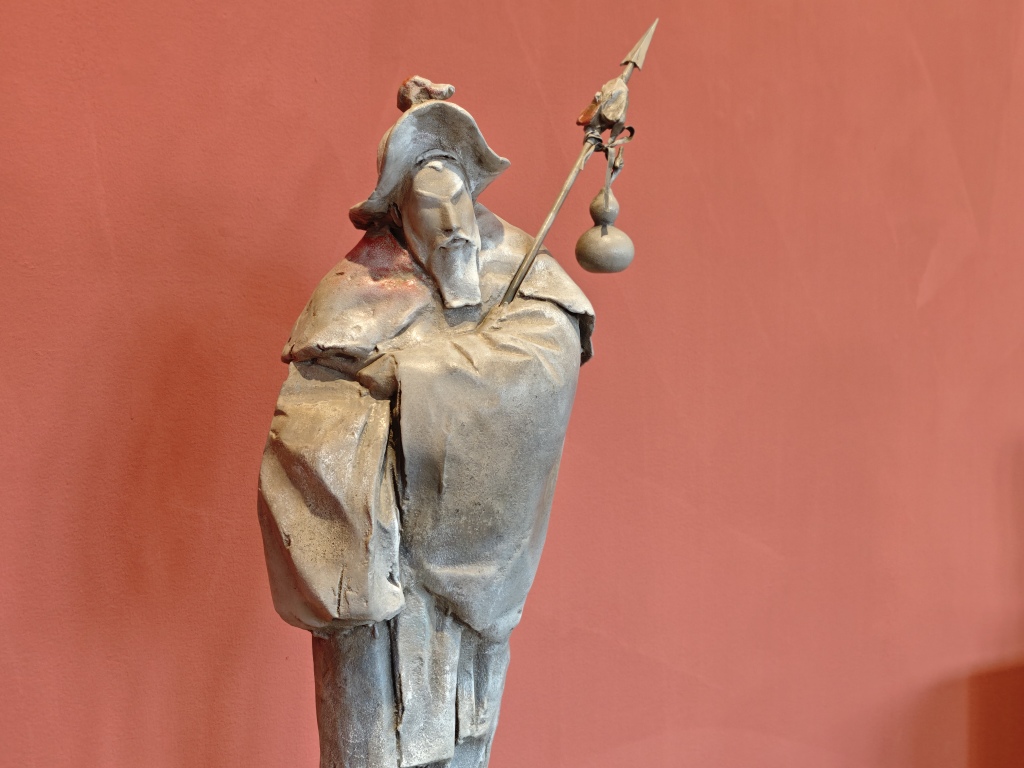
Lin Chong's Snowstorm at the Mountain Temple
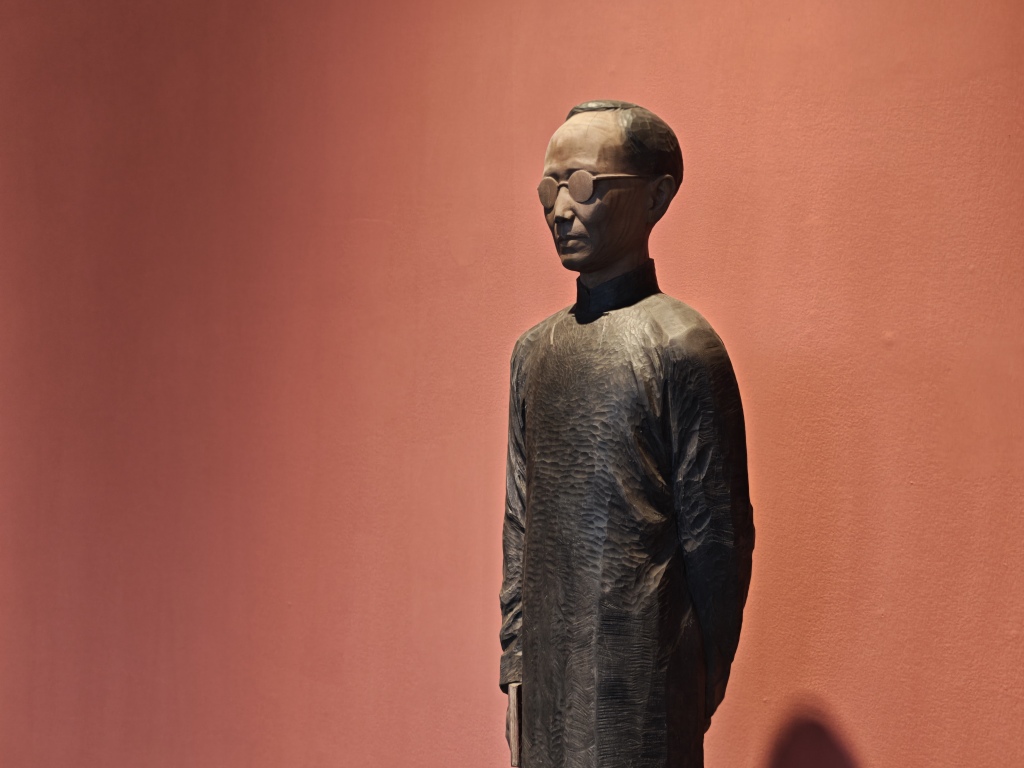
Portrait of Guo Moruo
These young sculptors, raised in the era of globalization, possess a broad international perspective and are adept at combining the abstract and minimalist styles of Western modern sculpture with the "artistic conception" and "spirit" of traditional Chinese aesthetics. In their creations of traditional themes, they also use minimalist lines to outline contours and incorporate the geometric compositional concepts of Western sculpture, thus preserving the narrative connotations of the subject matter while imbuing their works with both Eastern Zen and Western modernity.
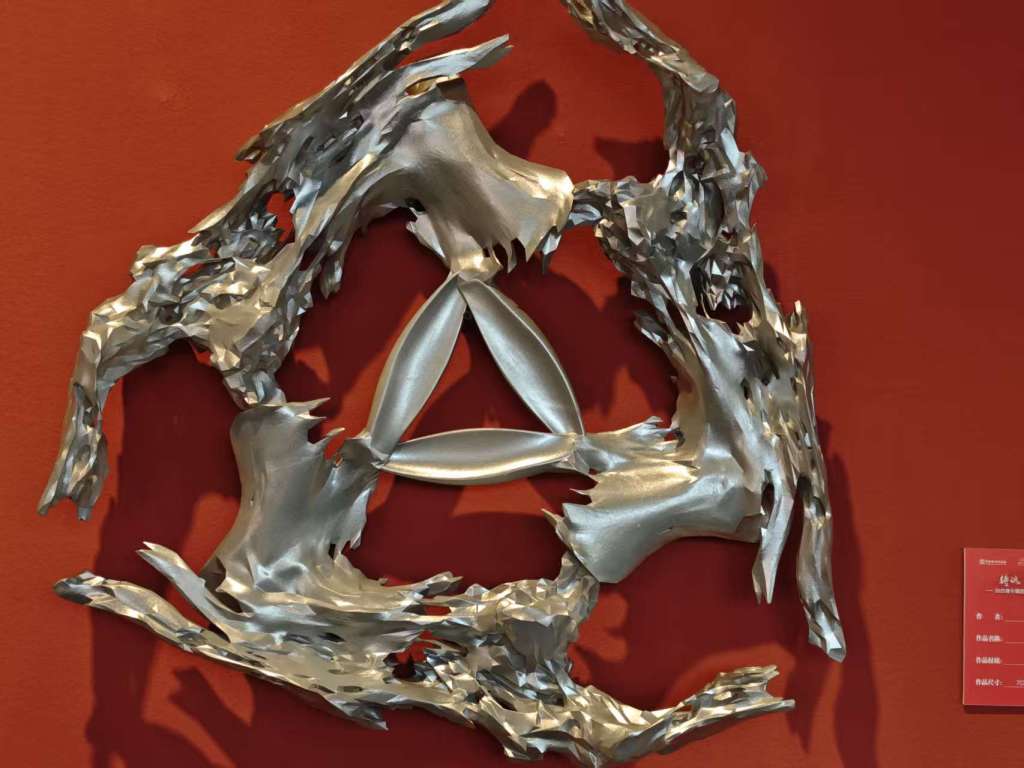
"Jade Palace" is a reinterpretation of the "Three Rabbits with Connected Ears" motif from the mural.
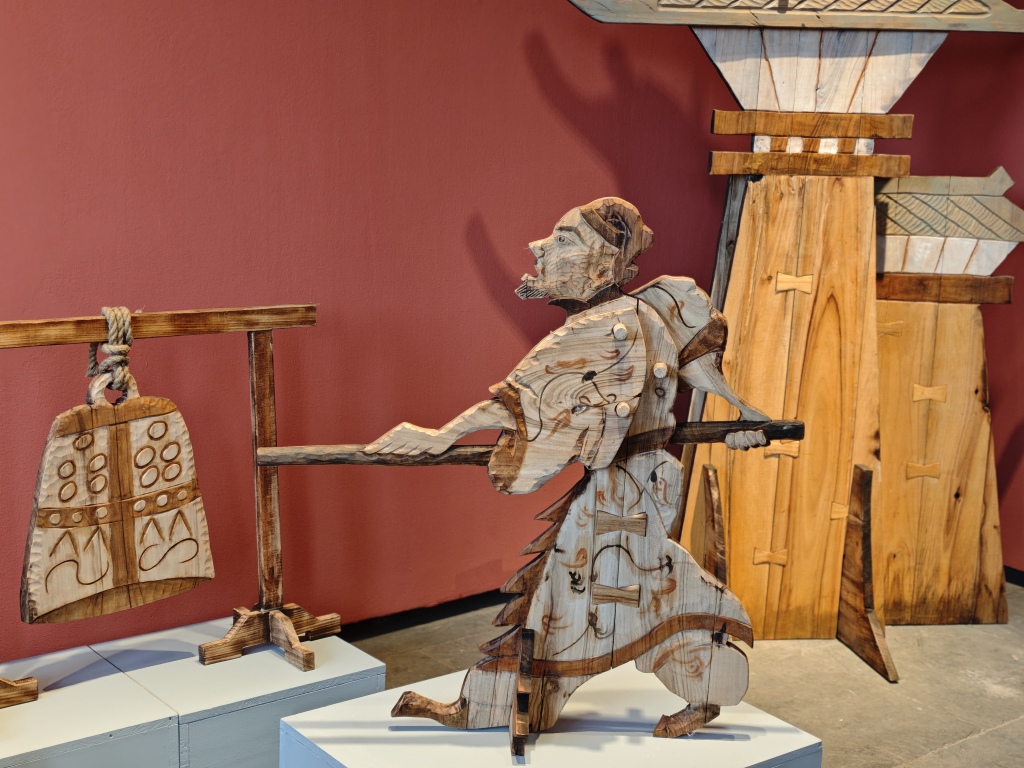
"The Ancient Rhythm of Wood"
In their choice of materials, young sculptors are no longer limited to traditional materials such as bronze, stone, and wood carving. Instead, they widely use modern materials such as stainless steel, resin, glass, wool felt, and fiber, combined with technological means such as 3D printing, light and shadow technology, and interactive installations to reconstruct the visual form of traditional themes.
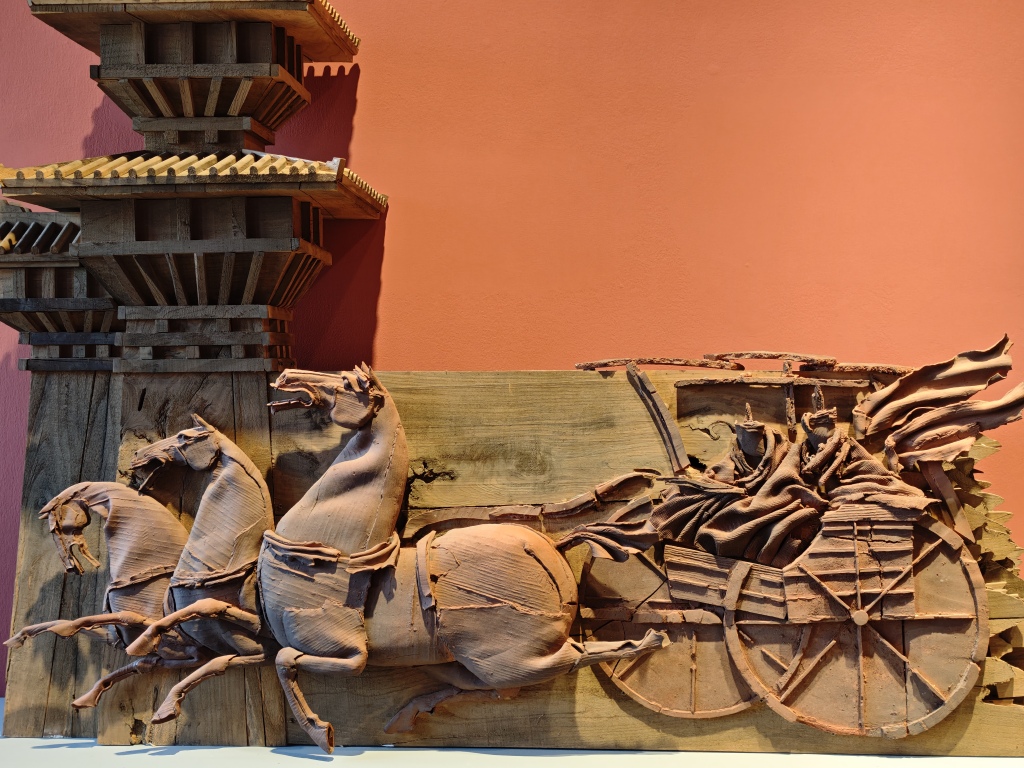
Pottery and wood, "The Road"
The most valuable exploration in the exhibition lies in fusing personal and collective memories. For example, some works transform oral histories from ancestors into sculptural narratives, reconstruct historical scenes using family photo albums, and achieve a spiritual homecoming to traditional culture through micro-narratives. In some works, young sculptors also recreate the youthful scenes experienced by their parents.
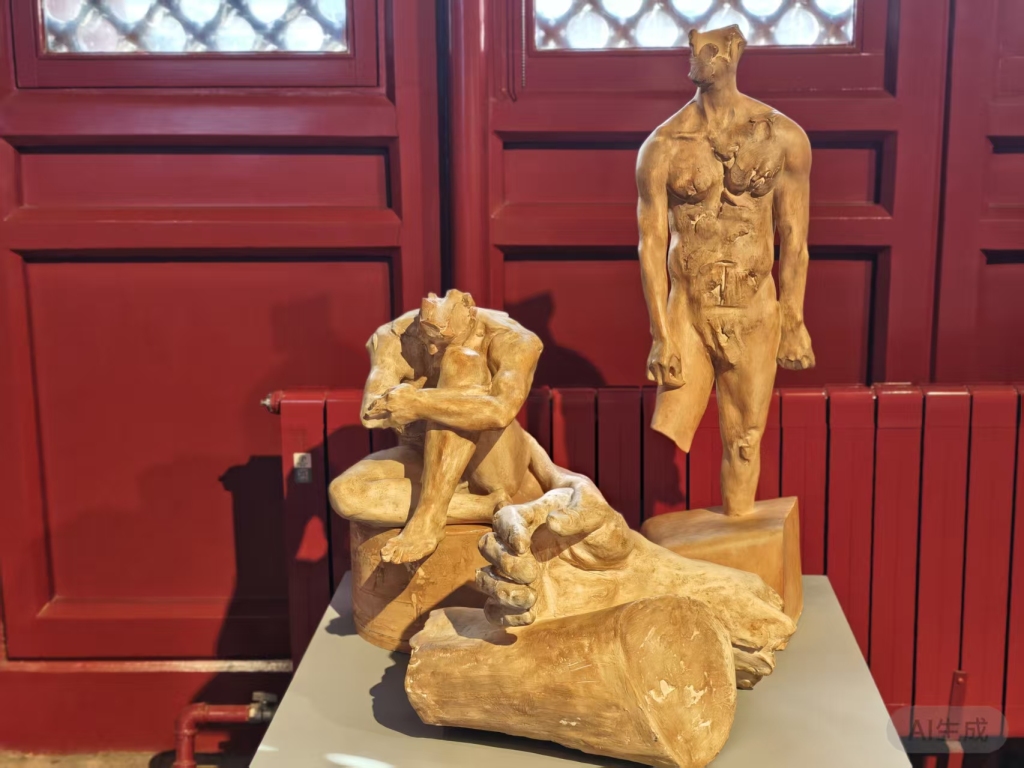
Body of the Worker
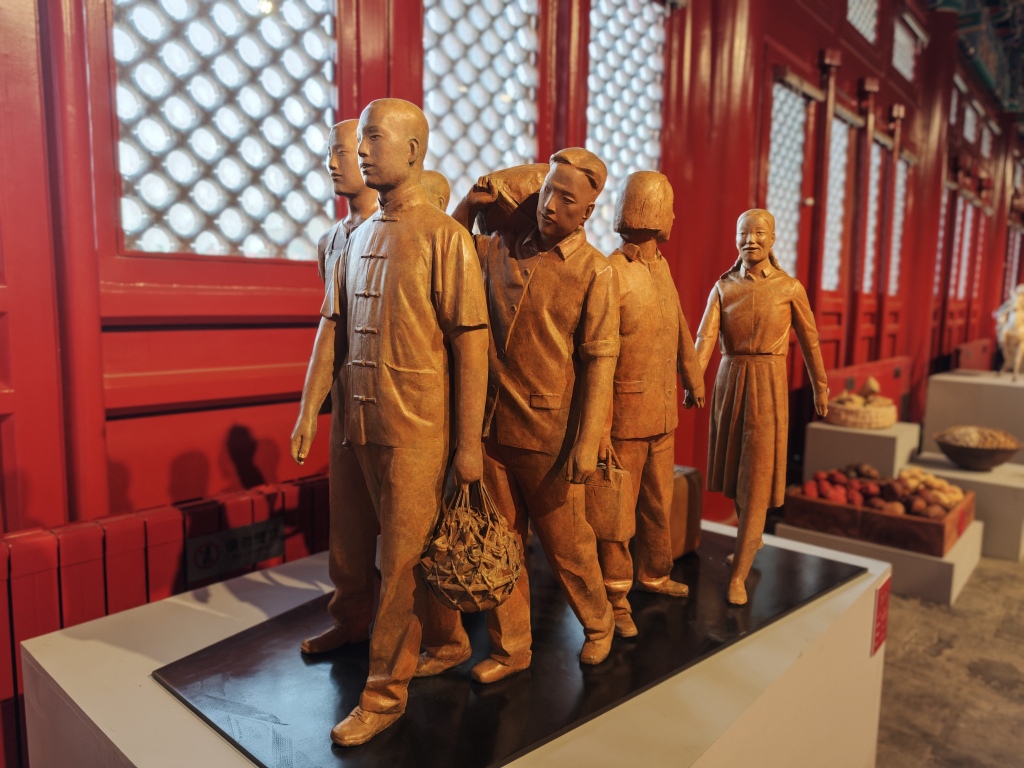
Enlightenment—The First Generation of College Students in New China
The works of contemporary young sculptors on revolutionary themes have also injected youthful vitality and a contemporary feel into the inheritance and development of revolutionary culture. They have broken away from the outdated feel of revolutionary themes with innovative thinking, allowing the revolutionary spirit to achieve an emotional connection with contemporary youth.
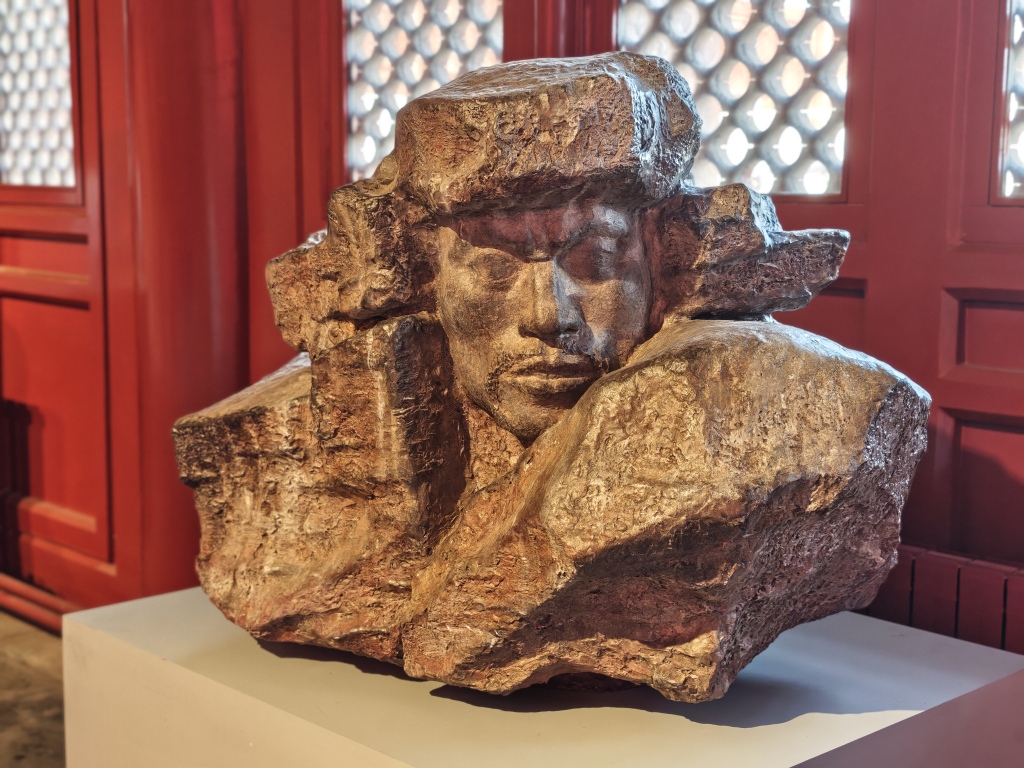
The Wind Rises on the Rock
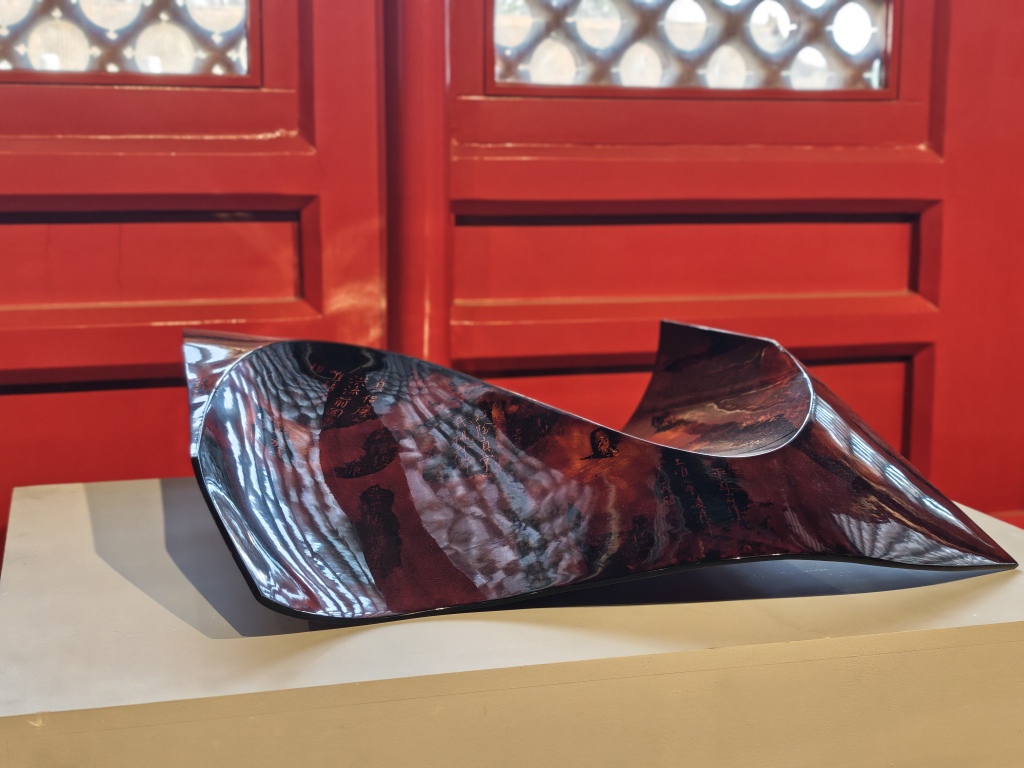
Water Veins and Cultural Heritage
The exhibition, hosted by the Chinese National Academy of Arts and the Beijing Working People's Cultural Palace (Taimiao Art Museum) and organized by the Sculpture Institute of the Chinese National Academy of Arts, will run until December 4th. Founded in 2007, the Sculpture Institute of the Chinese National Academy of Arts has trained over 100 doctoral, master's, and visiting scholars nationwide over the past 18 years.