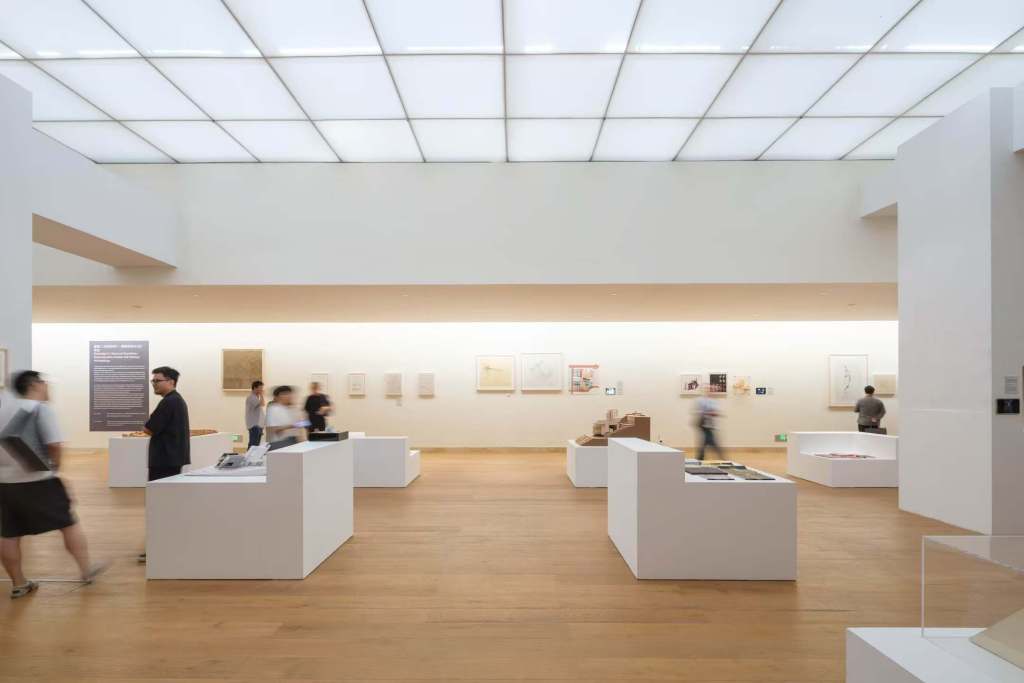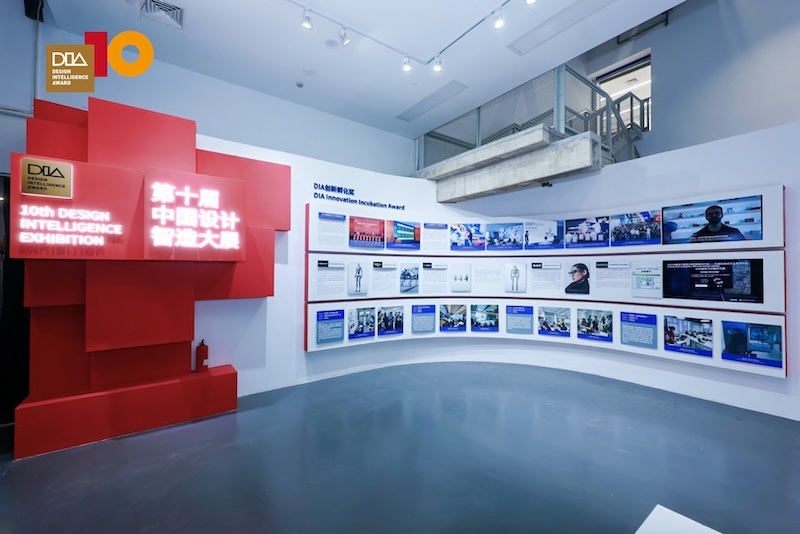
On the evening of December 12th, the 10th China Design Intelligence Award (DIA) ceremony was held at the Liangzhu Campus of the China Academy of Art. A special exhibition of the China Design Intelligence Award also opened concurrently, showcasing over 200 outstanding winning works and demonstrating the role of design intelligence in new industries, new models, and new driving forces.
The Paper learned that this year's China Design & Manufacturing Awards entries covered various industrial fields, including smart transportation and the Internet of Things, artificial intelligence and machine learning, big health and biomedicine, digital cultural tourism and immersive experience, and clean energy and sustainable design, while also encompassing cutting-edge applications such as brain-computer interfaces, virtual reality, and new materials. A total of 52 countries and regions participated in this year's awards, including over 1,600 well-known Chinese and foreign companies, with 69% of the entries being first-time submissions, a 4% increase compared to last year. After evaluation by 24 judges from 9 countries worldwide, 440 entries were shortlisted, with the 37 most representative works advancing to the finals. That evening, the Grand Prize was awarded to the "HarmonyOS Ecosystem Full-Scenario Intelligent Terminal Project," a digital project focusing on the "people-vehicle-home" ecosystem.
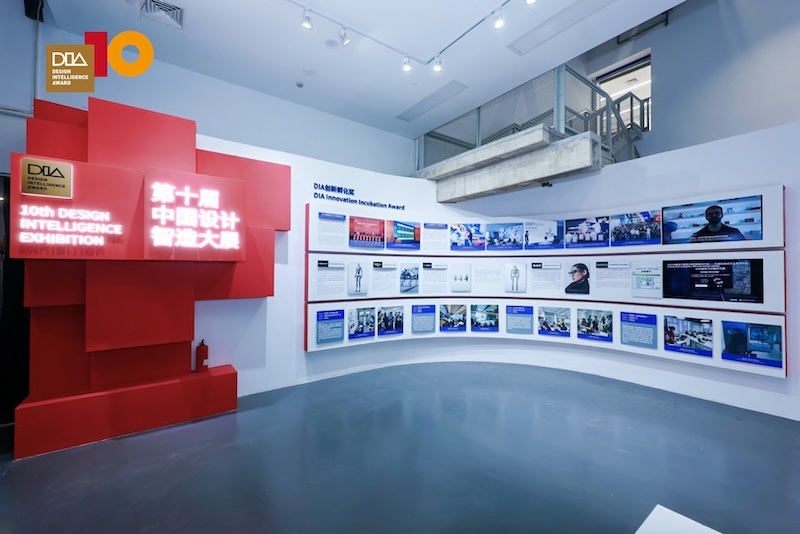
The 10th China Design Intelligence Awards Exhibition
Among other finalist designs, Hangzhou Lingban Technology Co., Ltd.'s "Leqi Smart Glasses" is a smart glasses that integrates AR technology with AI interaction; the "Modular Kitchen Cart System" is a collaborative achievement between the well-known Chinese industrial design company YANG DESIGN and Boeing, reshaping the in-flight catering process and improving efficiency and space utilization; Hubei University of Technology's "Blind Sticky Note Machine" is positioned as an assistive tool for the blind, helping them identify information about items by printing Braille notes; "Tianzhou Warrior 1" is a small emergency lifebuoy that solves water rescue problems by automatically inflating through a purely mechanical structure; and Nottingham Trent University's Morphopaedics project is a lightweight, waterproof orthopedic fixation system that supports micro-adjustment and can replace traditional plaster cast fixation.
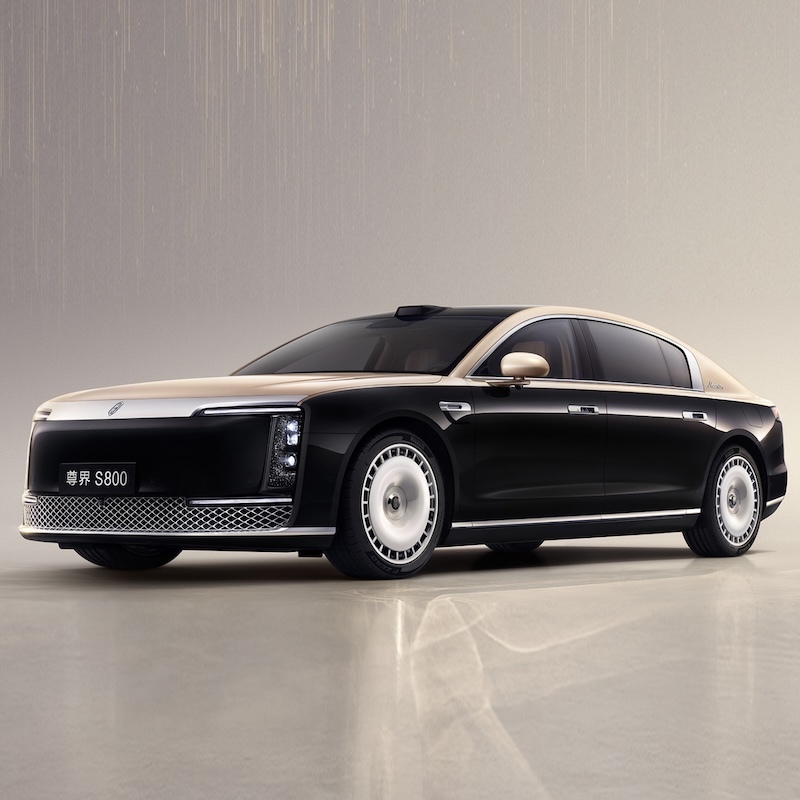
Conceptual diagram of the "HarmonyOS Ecosystem Full-Scenario Intelligent Terminal Project"

Conceptual drawing of the Tianzhou Warrior 1 lifebuoy
On the same day, the China Design Intelligence Award Special Exhibition also opened. Using over 200 outstanding winning works from the 2025 DIA Awards as case studies, the exhibition revolves around five themes: "Transcending Intelligence," "Digital Healthcare," "Cultural Intelligence," "New Mobile Horizons," and "Intelligent Living," showcasing the role of design intelligence in new industries, new models, and new driving forces.
The first section of the exhibition, "Breaking Through Intelligence," showcases how artificial intelligence penetrates space, matter, and interaction through cases such as humanoid robots, smart wearables, and large-scale model applications, enabling machines to possess comprehensive capabilities to "understand the environment, adapt to situations, and integrate into the environment." The "Digital Healthcare" section gathers cases such as intelligent diagnostic equipment and wearable health monitoring, demonstrating how design can bridge the gap between technology and users, making complex medical capabilities visible and accessible, allowing health services to transcend scenario limitations and reach homes and communities, and truly integrating health management into everyone's life. For example, the "Enhanced Exoskeleton" case demonstrates how exoskeletons enhance human mobility through intelligent sensing and power assistance, supporting rehabilitation, compensation, and capability expansion; the "AI-Interventional Rehabilitation" case integrates brain-computer interfaces and intelligent rehabilitation systems, improving the efficiency of neural reconstruction and functional recovery through precise sensing, real-time feedback, and personalized training programs.
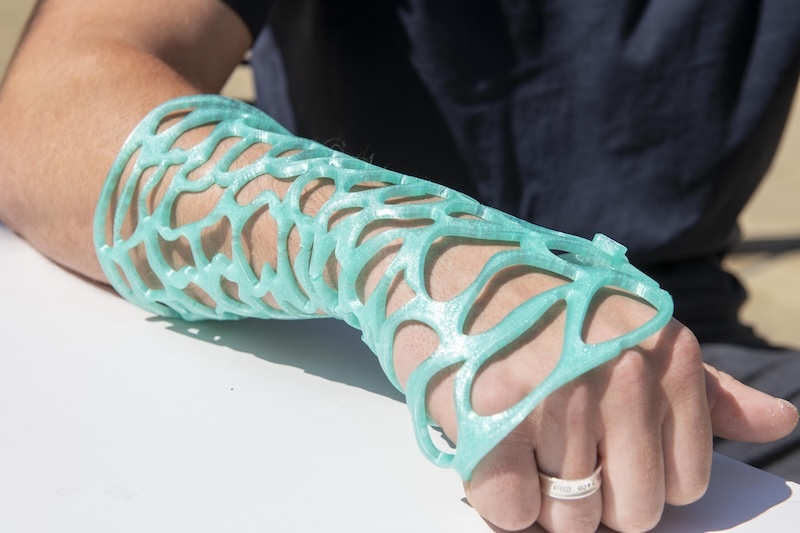
Morphopaedics, Orthopedic Fixation System, Nottingham Trent University, UK

Extended-range powered exoskeleton robot (VIATRIX)
The third section of the exhibition, "Cultural Intelligence," focuses on how culture can move from "transmission" to "co-creation." Through cases of immersive cultural tourism, interactive entertainment, and digital education, it integrates artificial intelligence, sensing technology, and cultural creativity into tangible forms, showcasing how design can empower the regeneration of cultural content. For example, the "Digital Music" case demonstrates the reconstruction of music creation, expression, and experience, making the sound field more interactive and immersive; while "Digital Weaving" uses algorithmic and material innovations to tell the story of traditional weaving techniques.
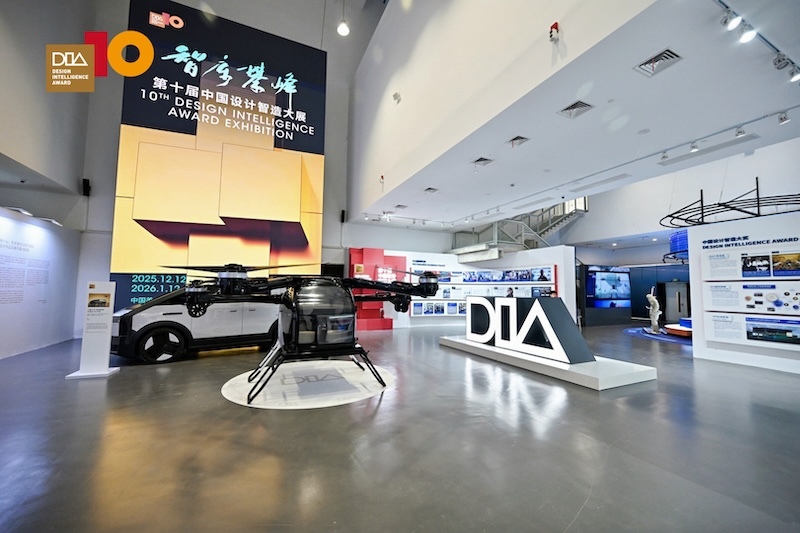
The 10th China Design Intelligence Awards Exhibition
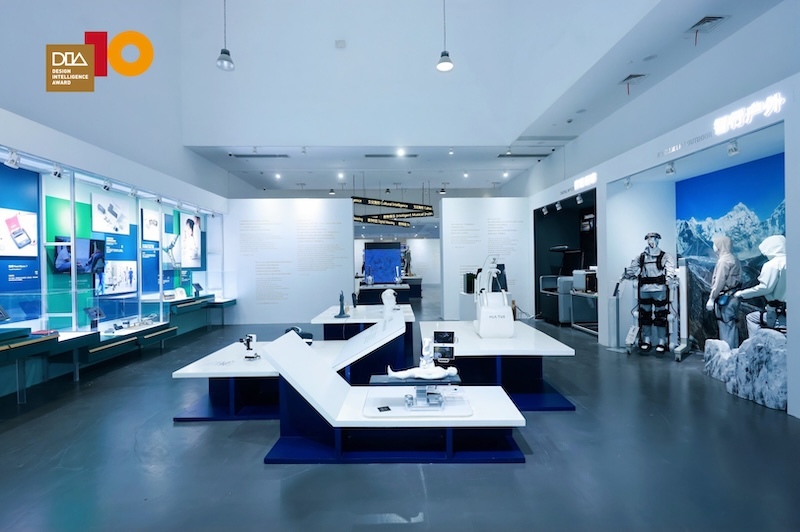
The 10th China Design Intelligence Awards Exhibition
The "New Horizons of Mobility" section showcases the shift from "the movement of things" to "the flow of experiences." This section includes case studies on smart mobility, low-altitude networks, and urban transportation. The "Smart Living" section covers case studies on smart homes, smart elderly care, and smart connected services, demonstrating how design can harmonize technology and space to make life both efficient and intelligent, as well as human-centered.
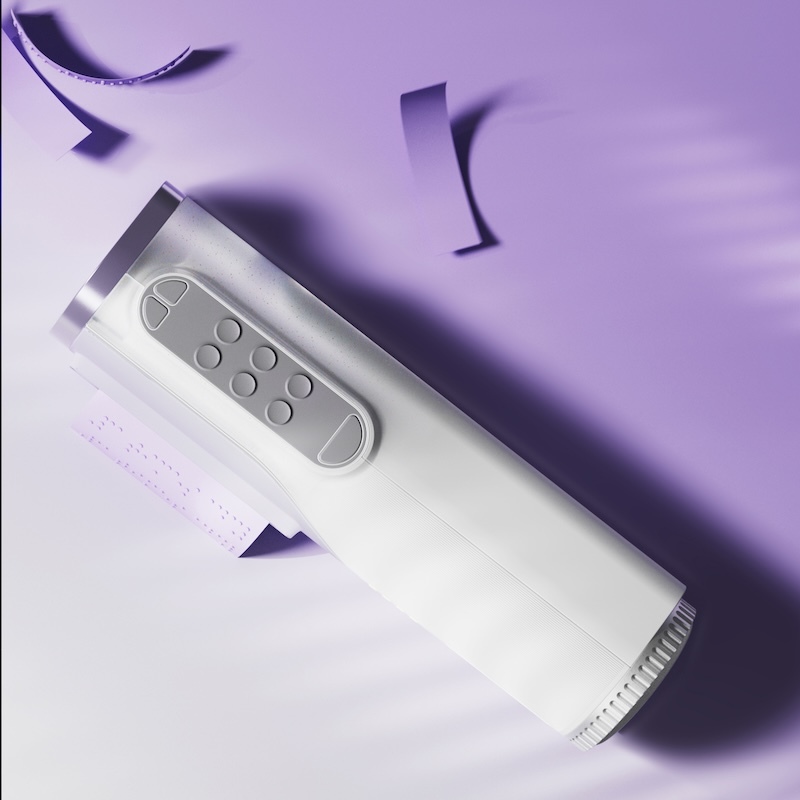
Blind Sticky Note Machine
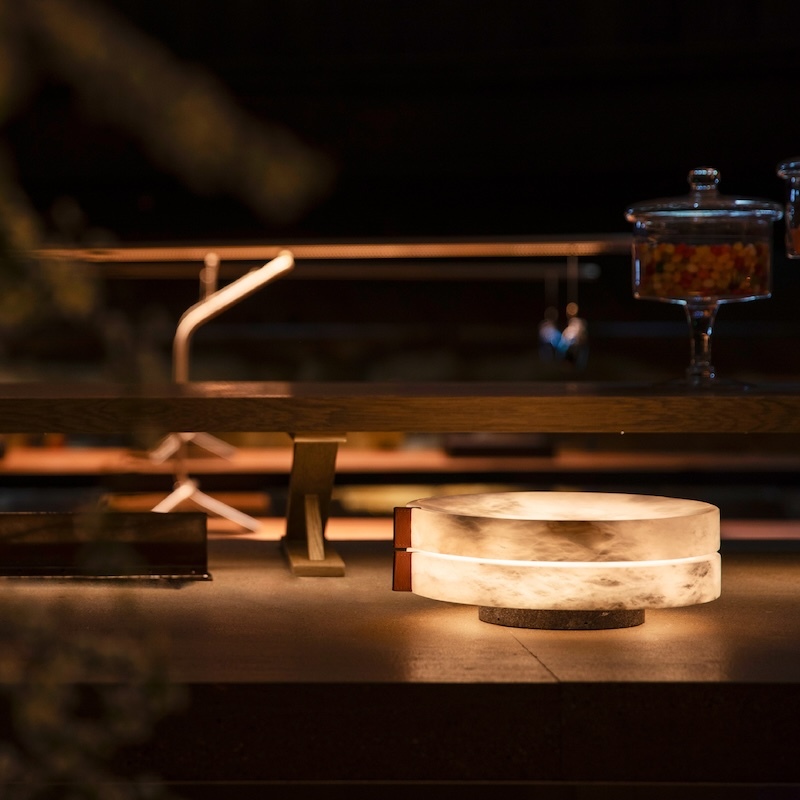
Morgan Liang Zhitian Smart Desk Lamp
It is reported that the Design Intelligence Award, hosted by the China Academy of Art, has entered its tenth year, with a total of more than 65,000 entries, covering 87 countries and regions around the world. The participants include more than 6,000 high-tech intelligent manufacturing companies such as Google, Microsoft, Boeing, and iFlytek.
On the evening of the event, the Cumulus Association and the China Academy of Art officially signed a strategic cooperation agreement. Both parties will leverage their respective strengths, utilizing the Innovation Incubation Award, to jointly organize international competitions, student innovation camps, and academic research activities.